
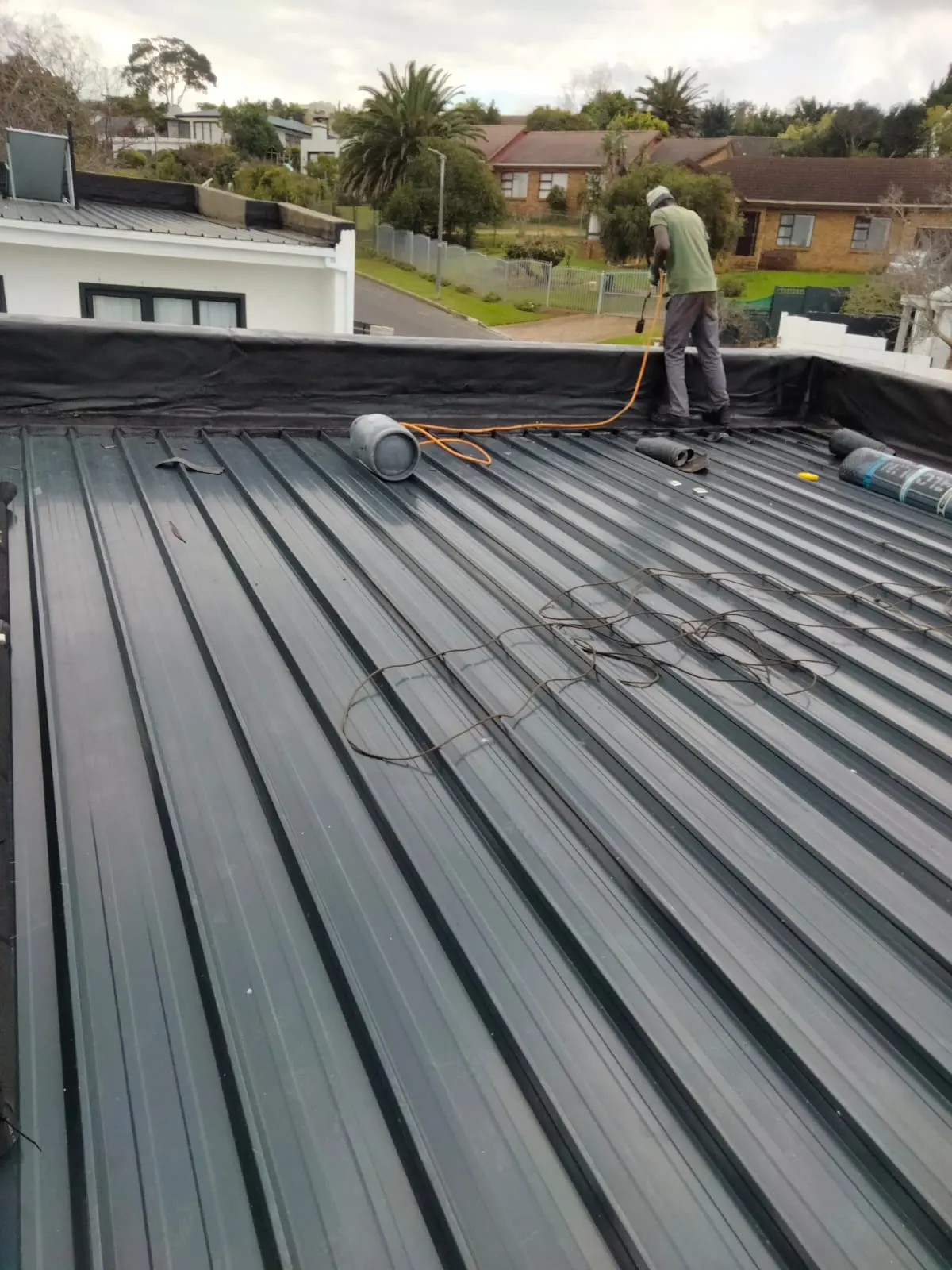
What affects the price
- The system used: torch-on membrane, liquid rubber, fibre-reinforced membranes and cementitious coatings vary in price and suit different surfaces.
- Area and access: large flat roofs, parapets and balconies over living areas are priced differently.
- Removing old membranes: stripping failed waterproofing takes time but is often essential.
- Repairs: fixing falls, outlets, flashings, cracked screeds or rotten fascias before waterproofing.
- Finish: a reflective or UV-protective top coat extends the life of a torch-on system.
Why finding the real source of the leak matters
Water travels. A stain on your ceiling is rarely directly below the leak. A proper inspection traces where the water is actually getting in, whether that's a failed flashing, a cracked parapet, a blocked outlet or a tiled balcony. Then you're not paying to waterproof the wrong area.
How to compare waterproofing quotes
- Check the quote names the system and product, not just 'waterproofing'.
- Ask whether old membranes will be removed or covered over.
- Make sure flashings, outlets and upstands are included, as that's where most leaks start.
- Get the guarantee period in writing.
FAQs
How long does torch-on waterproofing last?
A properly installed and maintained torch-on system typically lasts 10 to 15 years. A reflective coating every few years helps it last longer.
Can you waterproof in winter?
Torch-on and most membranes need a dry surface, so we work in dry spells. Emergency temporary repairs can be done to stop water coming in until then.
Do you guarantee waterproofing?
Yes. All waterproofing work comes with a written guarantee. The period depends on the system used.