
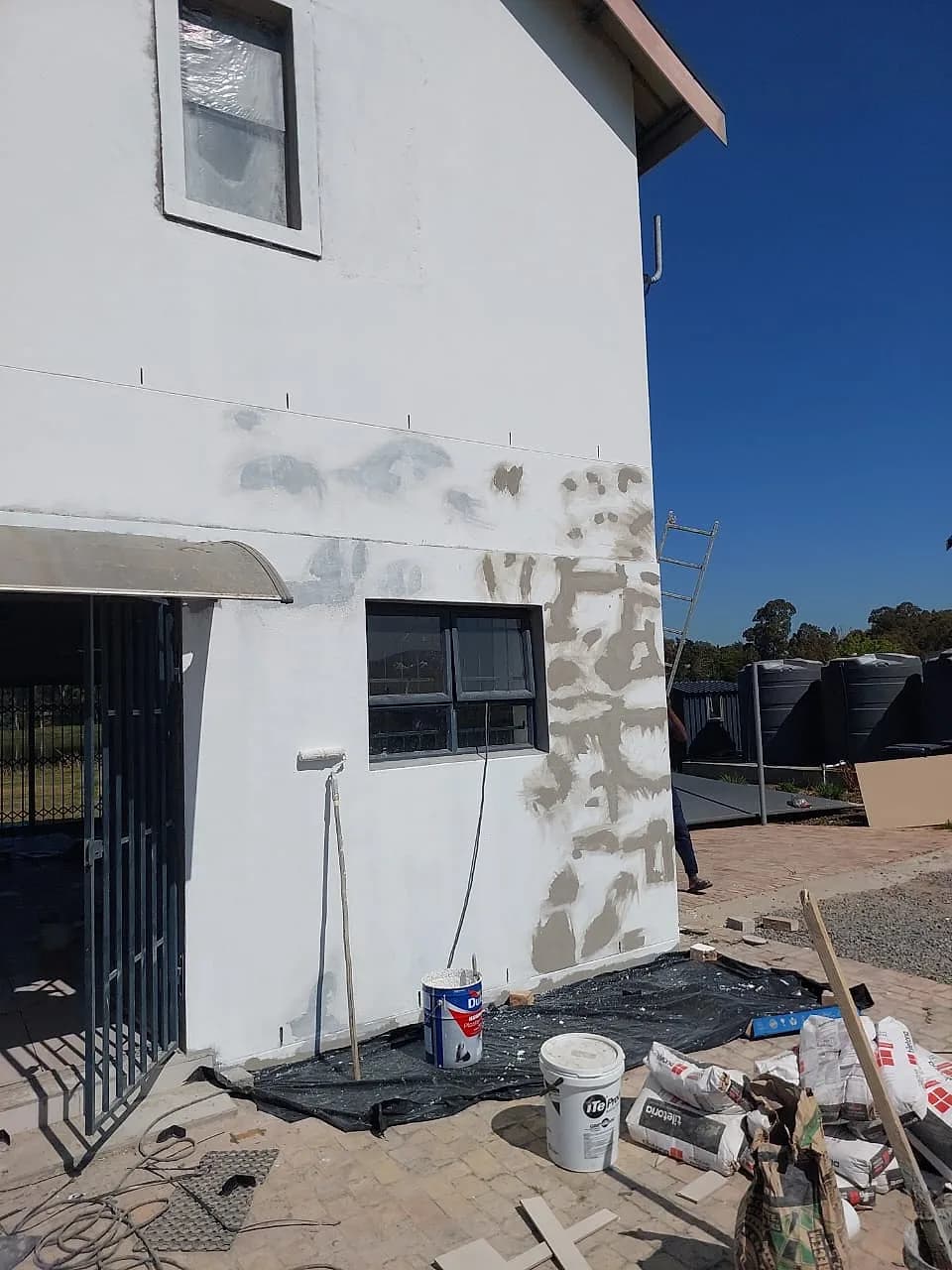
Signs of rising damp
- A tide mark or damp band up to about a metre above the floor.
- White, powdery salt deposits on the wall surface.
- Paint that bubbles or flakes and plaster that crumbles at the base of the wall.
- Rotting skirting boards and a musty smell.
Is it really rising damp?
Not every damp wall is rising damp. Leaking gutters, cracked walls letting in rain (lateral damp), plumbing leaks and condensation can all look similar. If the damp is high up on the wall, around windows or in bathrooms, it's probably something else. That's why we diagnose the cause before recommending a fix.
How rising damp is fixed
- Inject a chemical damp-proof course into the wall to stop moisture rising.
- Remove the salt-contaminated plaster, usually to about a metre high.
- Re-plaster with a waterproof, salt-resistant mix.
- Finish with a breathable paint so any remaining moisture can escape.
- Fix any outside causes such as soil or paving built up against the walls.
Why painting over it doesn't work
Damp-proof paints and sealers on their own trap moisture in the wall, and it pushes out somewhere else or lifts the new paint within months. The moisture has to be stopped at the source first.
FAQs
Can rising damp be fixed permanently?
Yes. A properly installed chemical damp-proof course, with the right plaster and paint, is a long-term fix. It comes with a written guarantee.
How long before I can repaint after damp treatment?
The wall needs time to dry out after treatment and re-plastering. We'll advise on timing for your wall before final painting.
Is rising damp bad for my health?
Damp walls encourage mould, which can aggravate allergies and breathing problems, so it's worth treating promptly.